
How Steyr Technology Shaped China’s Heavy Truck Industry
Steyr technology played a crucial role in the development of China’s heavy truck industry. From Huanghe and Hongyan to Shaanxi Auto and Sinotruk, several of China’s major truck manufacturers were deeply influenced by the Austrian Steyr 91 series introduced in the 1980s.
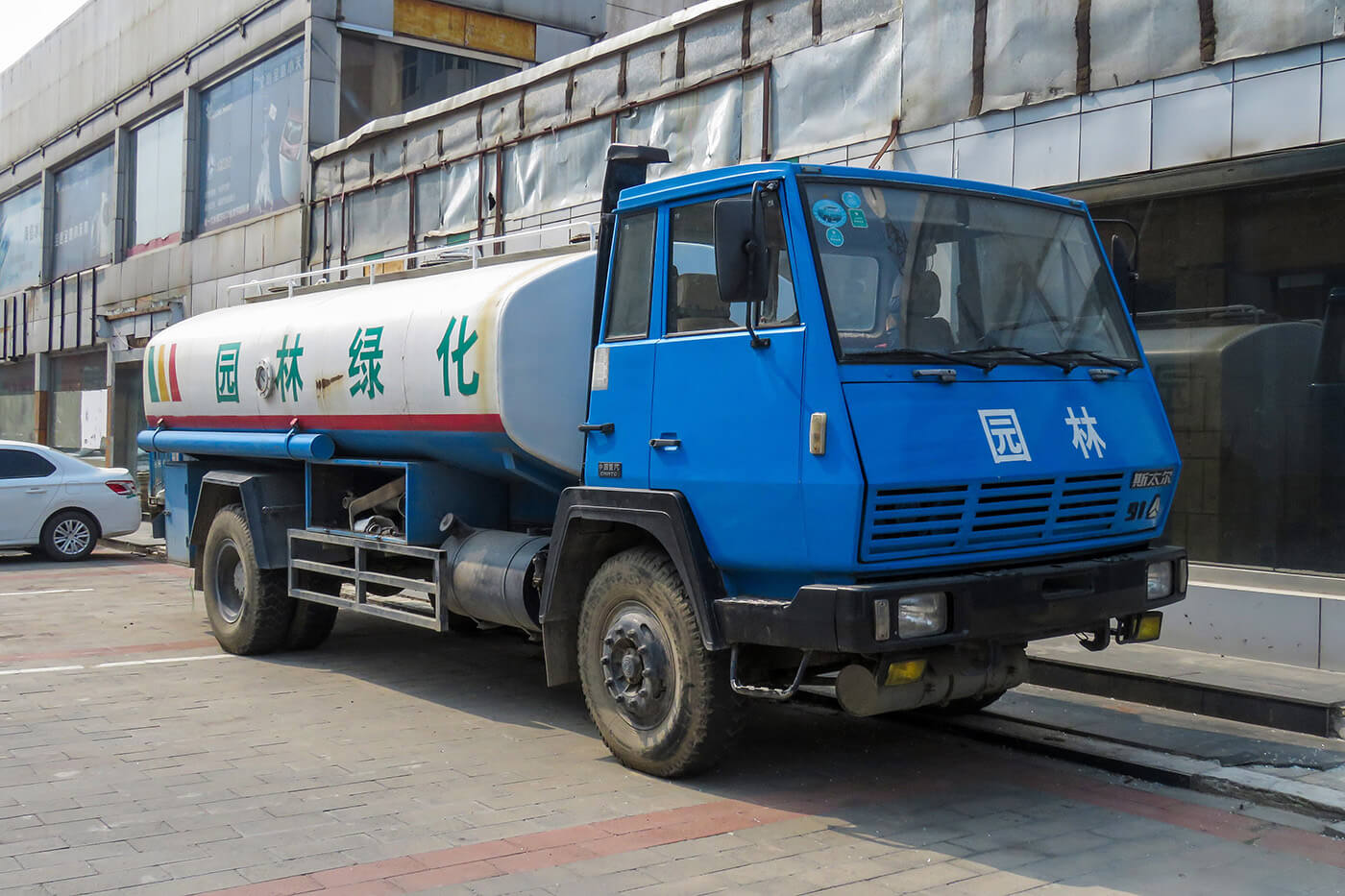
Today, China is one of the world's largest producers and exporters of heavy trucks. Brands such as Sinotruk, Shacman, FAW Jiefang, Foton, Dongfeng, and Hongyan are widely seen in Africa, Central Asia, Southeast Asia, and other international markets.
But how did China develop such a large heavy-truck industry?
To understand the history of Chinese heavy trucks, it is difficult to avoid one name: Steyr.
Huanghe: The Beginning of China’s Heavy Truck Industry
The story begins with Huanghe, one of the earliest important heavy truck brands in China.
Huanghe was part of the Jinan automobile manufacturing system, which later became closely associated with China National Heavy Duty Truck Group, commonly known as Sinotruk.
In 1960, the Huanghe GN150 entered production. It was an important milestone because it demonstrated that China could manufacture heavy-duty trucks on a large scale.
However, by the late 1970s, the GN150 platform was becoming increasingly outdated. China's transportation and construction industries were developing rapidly, creating demand for trucks with higher payloads, more powerful engines, better braking systems, and more flexible configurations.
Simply improving an old truck was no longer enough. China needed a modern heavy-truck platform.
1983: China Introduces Steyr Technology
In 1983, China introduced manufacturing technology for the Steyr 91 series of heavy trucks from Austria.
This was much more than importing a few trucks and copying their design.
The technology transfer included vehicle design, manufacturing processes, production technology, and major components. More importantly, the Steyr 91 was a modular platform that could be adapted to many different truck configurations.
The platform offered different drive configurations, engine power options, wheelbases, and chassis combinations.
This meant that the same technical foundation could be used to produce:
- 1, Heavy-duty cargo trucks
- 2, Tractor trucks
- 3, Dump trucks
- 4, Construction trucks
- 5, Special-purpose vehicles
- 6, All-wheel-drive trucks
For China, this was a major breakthrough. Instead of developing every type of heavy truck independently, manufacturers could build different vehicles around a common platform. The result was faster product development, standardized components, and the rapid expansion of China's heavy-truck supply chain.
Steyr and the Development of Hongyan
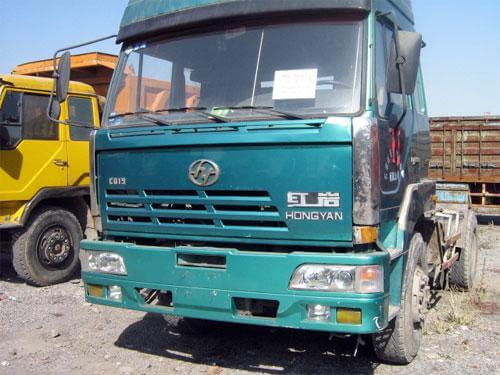
Another important beneficiary of Steyr technology was Hongyan in Sichuan. On April 29, 1985, Sichuan Automobile Manufacturing Plant produced its first Steyr heavy truck.
Hongyan had previously developed vehicles based on its CQ-series technology. The introduction of Steyr technology gave the company a more modern heavy-duty chassis and a broader range of configurations.
Models such as the CQ15.250 and CQ25.290 were used extensively for construction, dump transportation, and other demanding applications. However, Chinese engineers did not simply copy the Austrian design.
China's operating conditions were very different from those in Europe. Heavy trucks had to deal with high temperatures, dust, mountain roads, overloaded transportation, construction sites, and long-distance operation.
As a result, Chinese manufacturers continuously improved cooling systems, frames, driveline components, and other systems. This process created valuable engineering experience that later became part of the foundation for China's own truck development.
Shaanxi Auto: From Heavy-Duty Vehicles to Commercial Trucks
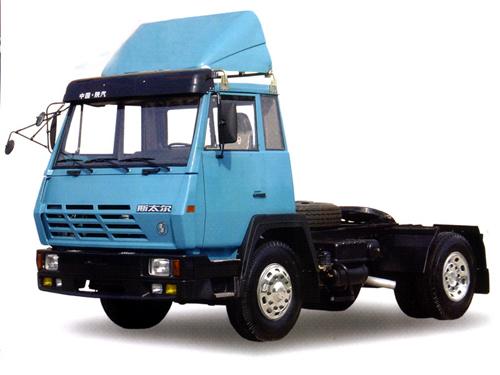
Shaanxi Automobile Group, commonly known as Shaanxi Auto or Shacman in international markets, also became closely associated with Steyr technology. Shaanxi Auto had strong experience in heavy-duty and off-road vehicles. However, the rapid growth of China's highway transportation industry created new demand for commercial trucks suitable for long-distance logistics.
During the 1980s, Shaanxi Auto introduced Steyr technology and expanded its heavy-truck manufacturing capabilities. In December 1989, the first domestically produced Steyr trucks were completed in Xi'an.
The Steyr platform helped Shaanxi Auto expand into a wider range of applications, including cargo transportation, tractor trucks, dump trucks, construction vehicles, and special-purpose trucks.
Later generations, including the Aolong and Delong series, were no longer simply copies of Steyr trucks. Chinese engineers gradually developed their own technologies and product platforms.
The important legacy of the Steyr era was therefore not a single truck model. It was the manufacturing experience, engineering knowledge, supplier network, and production capabilities that Chinese companies developed during this period.
Sinotruk and the Road from Steyr to HOWO
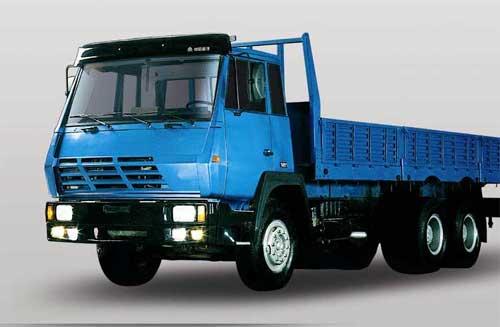
Steyr technology was perhaps most closely associated with Sinotruk, China's historic heavy-truck manufacturer based in Jinan. In 1985, domestically produced Steyr heavy trucks began production in Jinan.
The trucks featured the distinctive flat-front cab that became extremely familiar on Chinese roads. For many drivers at the time, “Steyr” became almost synonymous with a generation of powerful, flat-cab heavy trucks. Sinotruk continued developing the platform.
In 2002, the company introduced the Steyr King, featuring a new cab and improvements to the powertrain and chassis. But the most important transition came a few years later. In 2004, Sinotruk introduced the HOWO brand, which entered the market in 2005.
HOWO represented a major step forward from the traditional Steyr-based products. The company was increasingly moving from adapting imported technology toward independent product development.
This transition illustrates the real significance of Steyr technology in China: Steyr did not permanently define China's heavy trucks. It helped Chinese manufacturers learn how to develop modern heavy trucks themselves.
WD615: The Engine Behind a Generation of Trucks
The influence of Steyr technology was not limited to complete vehicles. The WD615 diesel engine became one of the most recognizable heavy-duty engines in China's truck industry. Weifang Diesel Engine Factory, which later became part of Weichai Power, was designated as a major manufacturer for the development and production of the Steyr WD615 series in China.
The engine was subsequently used in a wide range of applications, including heavy trucks, buses, construction machinery, and other commercial vehicles. At the same time, Chinese companies developed domestic production capabilities for transmissions, axles, frames, braking systems, steering systems, and other components.
This created something much more important than a successful truck model: a domestic heavy-truck component ecosystem.
A transmission manufacturer could supply several truck manufacturers. An axle supplier could support different vehicle platforms. An engine could continue to evolve even after the original truck model was discontinued.
This industrial ecosystem became one of the foundations of China's modern commercial vehicle industry.
Why Steyr Trucks Became So Popular With Mechanics
There was another important consequence of this technical heritage: repairability. Older Steyr-based trucks became famous among Chinese drivers and mechanics for their relatively straightforward mechanical design.
In many small towns, mining areas, and roadside repair shops, mechanics could work on these trucks without sophisticated electronic diagnostic equipment. Open the cab, inspect the engine, fuel system, transmission, or axle, and an experienced mechanic could usually identify the problem.
The widespread use of similar technologies and components also helped create a large spare-parts market. For truck operators, this was extremely valuable.
A truck is not only an investment in transportation equipment. It is also a business tool. Every day that a truck is out of service can mean lost income. Older Steyr-based trucks could often be repaired quickly, and replacement components were relatively easy to obtain.
From Steyr to Modern Chinese Trucks
The Chinese heavy-truck industry has changed dramatically since the 1980s. Modern Chinese manufacturers now produce trucks with advanced diesel engines, automated transmissions, electronic control systems, improved safety technology, sophisticated emission-control systems, and increasingly modern cabins.
Brands such as Sinotruk, Shacman, FAW Jiefang, Foton, Dongfeng, and Hongyan now have their own product families and technologies. The trucks of today may look completely different from the old Steyr models.
Nevertheless, the industrial foundation established during the Steyr era remains an important part of China's truck history. The greatest contribution of Steyr technology was not that Chinese trucks looked similar to Austrian trucks. Its real contribution was helping China develop a complete heavy-truck manufacturing ecosystem.
It connected vehicle manufacturers with engine producers, transmission factories, axle manufacturers, component suppliers, engineers, mechanics, and spare-parts distributors. It helped China move from producing individual heavy trucks to building a modern heavy-truck industry.
Why This History Matters to International Truck Buyers
For international buyers, especially those purchasing Chinese trucks for Africa, Central Asia, the Middle East, and other emerging markets, understanding this history is useful. Many Chinese heavy trucks exported today are the result of decades of accumulated engineering and manufacturing experience.
The development path from Steyr to modern Chinese trucks also explains why some older Chinese heavy trucks share similar mechanical concepts and why certain components and repair knowledge can be found across different brands.
For customers operating trucks far from major cities, this history matters. A truck needs more than horsepower. It needs a reliable supply chain, available spare parts, experienced mechanics, and a design that can be maintained in real-world operating conditions.
These are areas where China's heavy-truck industry has accumulated considerable experience.
The Legacy of Steyr in China
The story of Steyr in China is ultimately not a story about copying an Austrian truck. It is a story about technology transfer, localization, engineering adaptation, and independent development.
Huanghe helped mark the early stage of China's heavy-truck manufacturing. Hongyan adapted Steyr technology to demanding construction and off-road conditions. Shaanxi Auto used the technology to expand its commercial heavy-truck capabilities. Sinotruk gradually developed from Steyr-based trucks to products such as HOWO.
Meanwhile, the WD615 engine and a growing network of component manufacturers helped establish the industrial ecosystem that supported the entire sector. Today, China's heavy trucks are working on highways, construction sites, mines, farms, and ports around the world.
The old Steyr trucks may now look simple compared with modern Chinese trucks. But without the technological foundation established in the 1980s, China's journey toward becoming a global heavy-truck manufacturing powerhouse could have been very different.
Steyr helped China learn how to build modern heavy trucks. Chinese manufacturers then spent decades learning how to make them better.
That may be the most important legacy of Steyr technology in China's truck industry.
About Us
GilmanTruck is a trusted Chinese exporter of used trucks, with over 10 years of experience in truck sales. We provide professional transportation solutions for industries including freight transport, logistics distribution, construction engineering, and mining excavation.
Contact Us
Email: [email protected]
WhatsApp: +86 131 6435 3366